


Department of Everyday Life Culture and Health
The Department of Everyday Life Culture and Health trains teachers for general studies in primary schools and for the subject ‘Everyday Life Culture, Nutrition and Social Studies’ (AES) in lower secondary schools. Teaching and research focus on everyday cultural phenomena such as nutrition, clothing, consumption and social contexts, which shape the everyday lives of children, young people and adults and also play a central role in the school context.
Through practice-oriented research and teaching, we work together with students, school pupils and teachers to develop educational approaches that are rooted in everyday life and open up concrete opportunities for action towards a reflective and responsible way of life. This lays the foundations for a future-oriented, equitable and sustainable way of life.
Research
At the Institute for Everyday Life Culture and Health, phenomena relating to everyday culture are researched on an interdisciplinary basis from both academic and educational perspectives – with a key focus on health, nutrition, clothing, consumption and sustainability – thereby addressing current societal challenges.
Our research aims to highlight social inequalities, reflect on educational practice and develop approaches for a health-promoting, equitable and sustainable everyday life culture – including with a view to their implementation in a school context.
Key areas of research
- Shaping everyday life in media-saturated environments
: How do digital media – from social networks and advertising to educational platforms – shape our everyday decisions? We investigate how media content influences diet, consumption and lifestyle, and what consequences this has for education, particularly for consumer education in schools. - Socio-economic inequalities in everyday life: household management, consumption and lifestyle
Social inequalities, income disparities and structural disadvantages shape access to healthy nutrition, sustainable consumption and self-determined household management. Our research examines how socio-economic conditions influence the organisation of daily life and lifestyles, and the role that educational processes – particularly within the school setting – can play in promoting greater equality of opportunity. - Gender roles in everyday life: diet, household management and the negotiation of work
How are gender roles reproduced within the family and in education – and how can they be renegotiated? We investigate how the division of labour, decision-making processes, and dietary and consumption practices are shaped by gender. In doing so, we place particular emphasis on the diversity of lifestyles and family structures.
Research projects
As part of the second funding phase of the AQUA-d Research and Early-Career Research Group, the Chair of Consumer and Nutrition Education (Julian Polly, Prof. Dr Juliane Yildiz) is participating in a sub-project (SP 8: “Promoting economic decision-making skills through LLM feedback in digital consumer education learning tasks”) is taking part.

Teaching
The subject of Everyday Life Culture and Health can be studied as part of our teacher training programmes, as well as through subject-specific modules within the Bachelor’s degree programmes in Early Childhood Education and Sport, Health and Leisure Education.
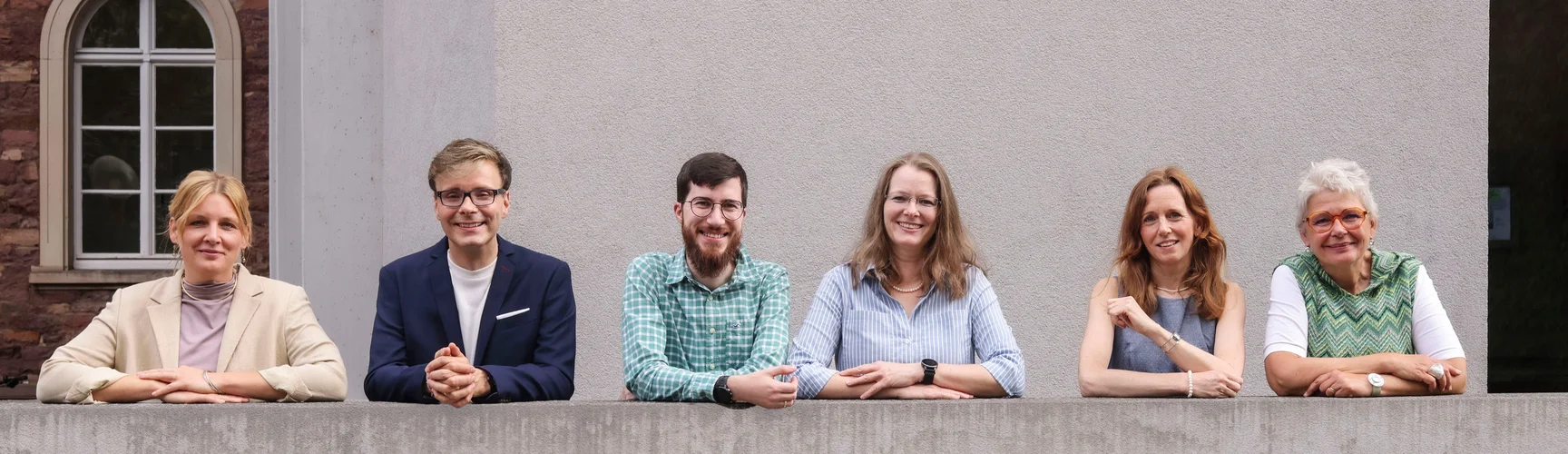
Institute team
Organisation
Karlsruhe University of Education
Building
3
Room
221
Phone
Availability
By arrangement. Please send me an email.
Organisation
Karlsruhe University of Education
Building
3
Room
103
Phone
Availability
Office hours: Wed–Thu 10–11 am or via email
Organisation
Karlsruhe University of Education
Building
3
Room
3
Phone
Availability
By arrangement
Organisation
Karlsruhe University of Education
Building
3
Room
210
Phone
Availability
By arrangement
Organisation
Karlsruhe University of Education
Building
3
Room
210
Phone
Availability
By arrangement
Organisation
Karlsruhe University of Education
Building
3
Room
003
Phone
Availability
By arrangement
Organisation
Karlsruhe University of Education
Building
3
Room
221
Phone
Availability
By arrangement
Lecturers
Organisation
Karlsruhe University of Education
Availability
By arrangement
Organisation
Karlsruhe University of Education
Availability
By arrangement
Updated on 22 October 2026 by Juliane Yildiz